
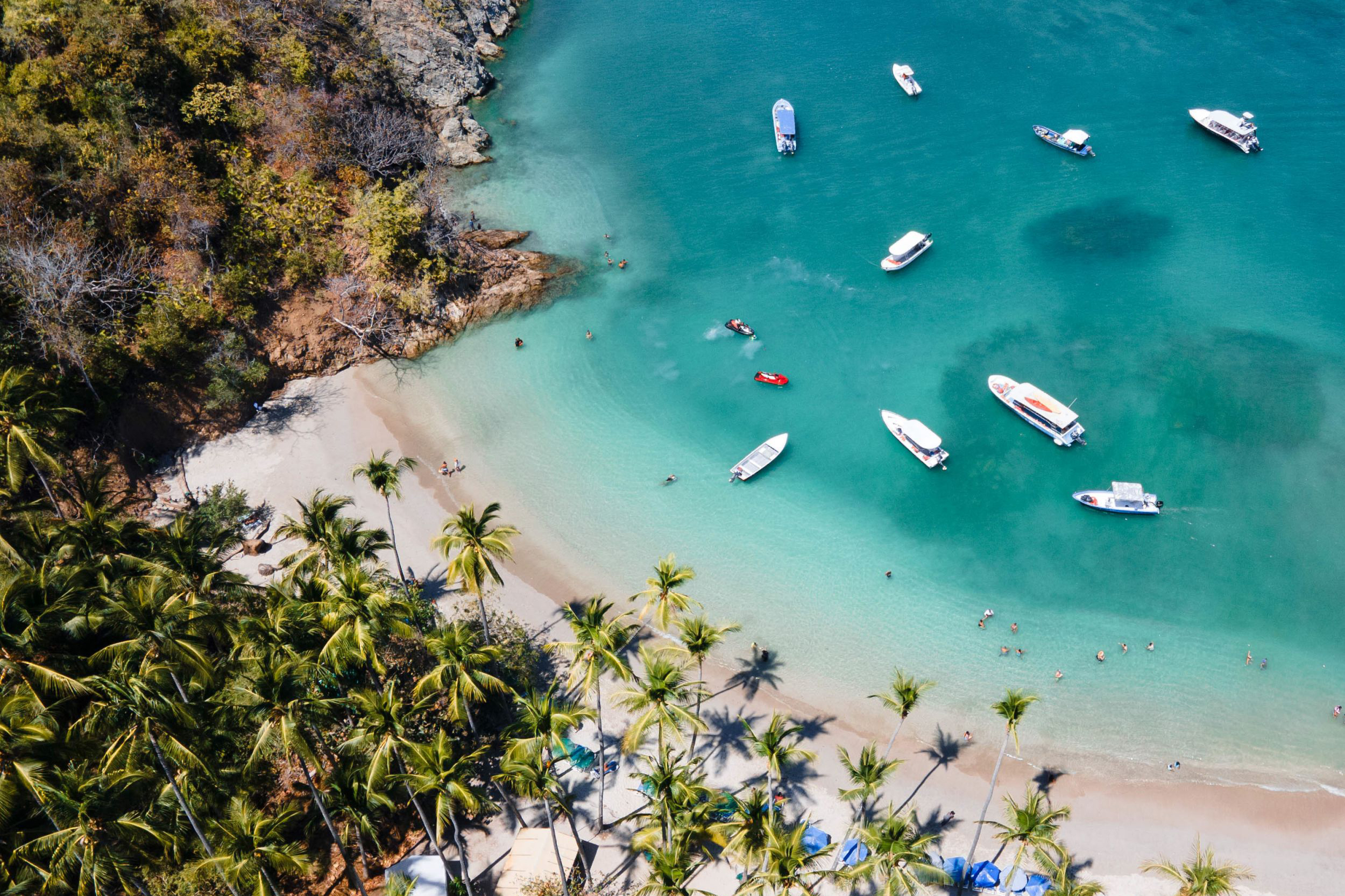
Tortuga Island Day Trip with Snorkeling & Beach Lunch
Sail through the Gulf of Nicoya to a pristine island paradise with dolphin watching, snorkeling, and a seaside feast
Reserve
Hand-picked by our editors — only the best 5 experiences from 18 reviewed.
Verified partners for every tour, free cancellation where available, and instant confirmation on every booking.
Sail through the Gulf of Nicoya to a pristine island paradise with dolphin watching, snorkeling, and a seaside feast
Reserve
4 hr
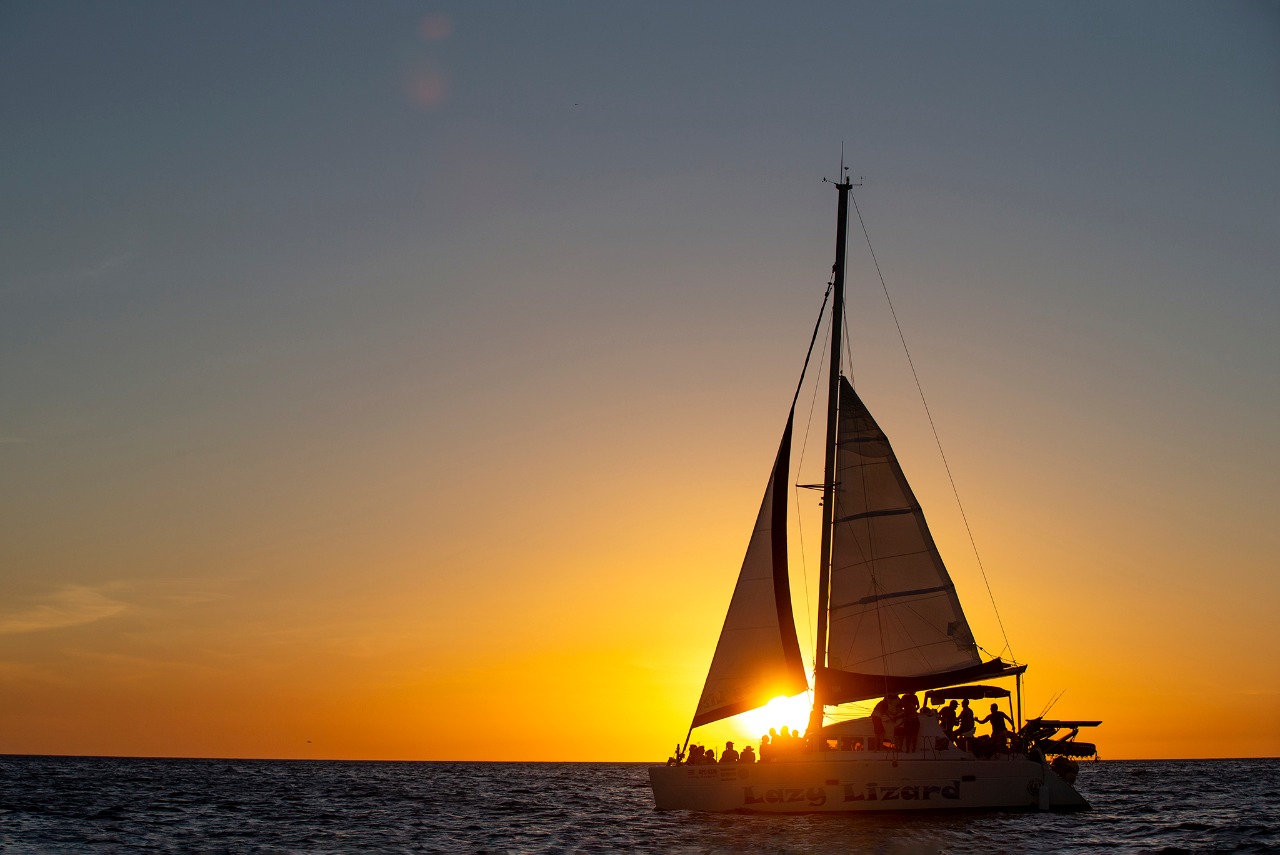
Cruise the Guanacaste coastline aboard a catamaran with snorkeling, water sports, and a fresh meal included
Reserve
5 hr
Cruise to a pristine Costa Rican island for snorkeling, swimming, and a chef-prepared lunch on white sands
ReservePrices from verified partners. Availability updates in real time at checkout. Free cancellation policies apply where shown.
The landmarks, rooms, and views travelers on this tour remember — all visible on a single visit.
A natural rock formation providing a scenic backdrop for photos. It is a centerpiece of any catalina island snorkeling tour costa rica.
They complement each other; most visitors who do both call Caño Island the superior choice for reef diversity, while a catalina island snorkeling tour costa rica provides more intensity regarding pelagic encounters. Exploring these Pacific landmarks offers distinct underwater perspectives for every traveler.
| Feature | Top pick Catalina Islands | Caño Island |
|---|---|---|
Marine biodiversity |
Volcanic pelagic species | High density tropical reef fish |
Coral reef health |
Sparse rocky reef growth | Thriving coral formations |
Typical visibility |
30–60 feet (summer) | 40–80 feet (summer) |
Accessibility from shore |
Boat access required | Boat access required |
Primary megafauna sightings |
Manta rays and sharks | Sea turtles and whitetip sharks |
| See tickets → |
Verdict: Choose a catalina island snorkeling tour costa rica tour if you prioritize large ray sightings, or select Caño Island if your interest lies in vibrant, healthy coral ecosystem tickets and catalina island snorkeling tour costa rica tours offer variety for those seeking adrenaline-filled open water experiences.
Choose your ticket, select your date, and reserve in under two minutes. Secure checkout handled by our verified partner.
Instant confirmation by email, with a mobile voucher you can save offline. No printing, no queuing at a collection desk.
Arrive at the entrance, show your voucher on your phone, and walk in. Most tickets include priority or skip-the-line access.
Practical details for your visit straight from our verified partners — hours, access, rules, and how to get there.
Main pier area
Primary departure point for most vessels
Drive to Playas del Coco or Playa Hermosa where operators are based. Parking is available at public lots near the beach.
Wear swimwear, a rash guard for sun protection, and comfortable sandals for the boat. A hat and sunglasses are recommended for the time spent on the water during a catalina island snorkeling tour costa rica.
Keep belongings minimal as boat space is limited. Use a waterproof dry bag to protect electronics and personal items during your catalina island snorkeling tour costa rica.
Underwater cameras or GoPro devices are encouraged to capture marine life. Ensure your equipment is secured with a wrist strap while on a catalina island snorkeling tour costa rica.
Access to the islands is via boat, requiring guests to manage stepping onto the deck. Individuals with limited mobility should discuss requirements with the operator before booking a catalina island snorkeling tour costa rica.
Mobile devices should be kept in a waterproof case at all times. Signal is limited near the offshore islands during a catalina island snorkeling tour costa rica.
Children are welcome on most excursions, provided they are comfortable in the water. Life vests are provided for all ages during any catalina island snorkeling tour costa rica.
Most operators provide water and light snacks, but check your specific package. Staying hydrated is essential during a catalina island snorkeling tour costa rica.
Animals are not permitted on snorkeling vessels for safety reasons. Please make arrangements for pets before your catalina island snorkeling tour costa rica.
Snorkeling equipment including masks, fins, and snorkels are provided by most tour operators. Listen carefully to the safety briefing before starting your catalina island snorkeling tour costa rica.
Best time to go, insider tips, nearby landmarks, and the cancellation fine print — flip through to skim what matters to you.
How crowds, weather, and events shift across the year.
May to August offers warm water temperatures between 26°C and 29°C. This period features high visibility for the best catalina island snorkeling tour costa rica experience.
Small details that turn a good visit into a great one.
Reserve your catalina island snorkeling tour costa rica tickets at least two weeks in advance during high season.
Non-bookable sights within a short walk — free to visit, easy to pair.
A scenic bay with calm waters suitable for relaxation. It is a common departure point for a catalina island snorkeling tour costa rica.
Flexible, no hidden fees.
Full refunds are typically available for cancellations made at least 24 to 48 hours before the tour start time. Operators do not charge an entrance fee as there is 0 USD for island access, but boat reservation deposits may be non-refundable.
Hand-picked options within walking distance — pick a district for vibe, or a specific hotel for convenience.
Beachfront property with easy access to boat piers.
Isla Catalina lies eighteen nautical miles west of Playa Flamingo, a pair of uninhabited volcanic outcrops whose submerged slopes host twenty-three coral species and year-round populations of manta rays, white-tip reef sharks, and schools of yellowtail snapper. The islands emerged roughly three million years ago during the Pliocene uplift that shaped Costa Rica's Pacific coastline, and their isolation from coastal runoff has preserved water clarity that averages fifteen to twenty-five meters through most of the calendar. No permanent structures exist on either island — the Costa Rican government designated them a protected wildlife zone in 1978, barring development and limiting daily visitor landings to preserve nesting colonies of brown pelicans and magnificent frigatebirds. The catalina island snorkeling tour costa rica departs from multiple Guanacaste ports, with Playa Flamingo and Playa Conchal serving as the primary embarkation points. Morning departures between 07:00 and 08:00 coincide with the calmest sea states and optimal visibility, as afternoon trade winds typically begin building swells after 13:00. Tour operators navigate the twenty-five to forty-minute crossing in catamarans or rigid-hull inflatables, anchoring in three main snorkel zones: the northern point's rocky pinnacles where currents concentrate pelagic species, the protected western cove favored for beginner swimmers, and the southern reef slope where volcanic boulders create swim-throughs at depths of four to eight meters. Underwater topography reflects the islands' igneous origin. Basalt columns and boulder fields dominate the benthos, colonized by boulder coral, mustard hill coral, and encrusting fire coral. Visibility peaks between December and April when upwelling brings nutrient-rich water and cooler temperatures but reduced plankton bloom. June through November sees warmer water — twenty-eight to thirty degrees Celsius — and higher plankton density, which attracts filter feeders like manta rays but reduces visibility to twelve to eighteen meters. Guanacaste snorkeling excursions typically allocate ninety minutes to two hours for in-water time, split between guided reef exploration and free swimming. The islands hold no facilities, no shade structures, and no freshwater sources. Tour operators provide all provisions, and most itineraries include a second stop at a mainland beach for lunch and equipment rinsing. The Pacific reef ecosystem supports seasonal migrations: humpback whales pass between July and October, olive ridley turtles nest on nearby beaches from June through December, and schooling devil rays appear during March and April upwelling events. The catalina island snorkeling tour costa rica remains one of Guanacaste's most consistent marine encounters, accessible to swimmers of moderate ability and protected from the open-ocean swells that affect more exposed dive sites along the Nicoya Peninsula.
"No permanent structures exist on either island — the government designated them a protected wildlife zone in 1978, barring development and limiting daily visitor landings."
A step-by-step walkthrough of the visit — what you'll see, how long each stage takes, and the details that matter.
You board at Playa Flamingo's main dock at 07:30, crossing open water as the Guanacaste highlands fade behind you. The catamaran anchors off Catalina's northern point twenty-five minutes later, and you slip into water that hovers near twenty-six degrees. Your guide points to a boulder field twelve feet below — elkhorn coral clusters the size of dining tables, and a school of blue-and-yellow grunts drifts past in formation. You kick toward the drop-off where the bottom slopes from eight to fifteen meters. A white-tip reef shark rests in a crevice, motionless except for the slow pulse of its gills. Your guide signals left, and you follow a volcanic ridge encrusted with orange cup coral and purple sea fans. A hawksbill turtle surfaces ten meters ahead, exhales, and descends back toward the reef. The current picks up near the point — you feel the pull as upwelling water meets the headland. After an hour you re-board, and the boat repositions to the western cove for a second immersion. Here the water is shallower, calmer, and filled with sergeant majors darting between rock pinnacles. You float above a field of sand dollars, watch a pufferfish hover near a ledge, and surface to find frigatebirds circling the island's summit. By noon you're back at the dock, saltwater drying on your skin, the outline of Catalina still visible on the western horizon.
The islands are open daily from 07:00–13:00, with operators scheduling boat departures within these times.
There is 0 USD for island access, though tour operators charge for boat transportation and guiding services.
For the best water visibility and calmer sea conditions, arrive between 07:00–08:00.
Yes, these tours are generally family-friendly, provided children are comfortable swimming in open water.
Most operators provide high-quality gear, but you are welcome to bring your own mask if you prefer.
Storage is typically not available on boats, so keep personal items to a minimum for your catalina island snorkeling tour costa rica.
Expect to see manta rays, sea turtles, and various tropical fish species.
Most operators offer refunds for cancellations made 24 to 48 hours in advance of your catalina island snorkeling tour costa rica.
Yes, many operators offer private charter options for a more personalized experience.